.png)
How Health and Wellness Brands Can Build Trust with Results-Focused UGC

Health and wellness brands face a trust problem other categories don't: shoppers have been burned before, and results take time to show up. One-off creator posts don't solve this, because a creator on day one has nothing to report. Results-focused UGC fixes it by having the same small group of creators document a real timeline — 30, 60, 90 days — across multiple posts. byMae used this approach with minisocial: 10 creators, two posts a month, three months, documenting genuine 90-day journeys.
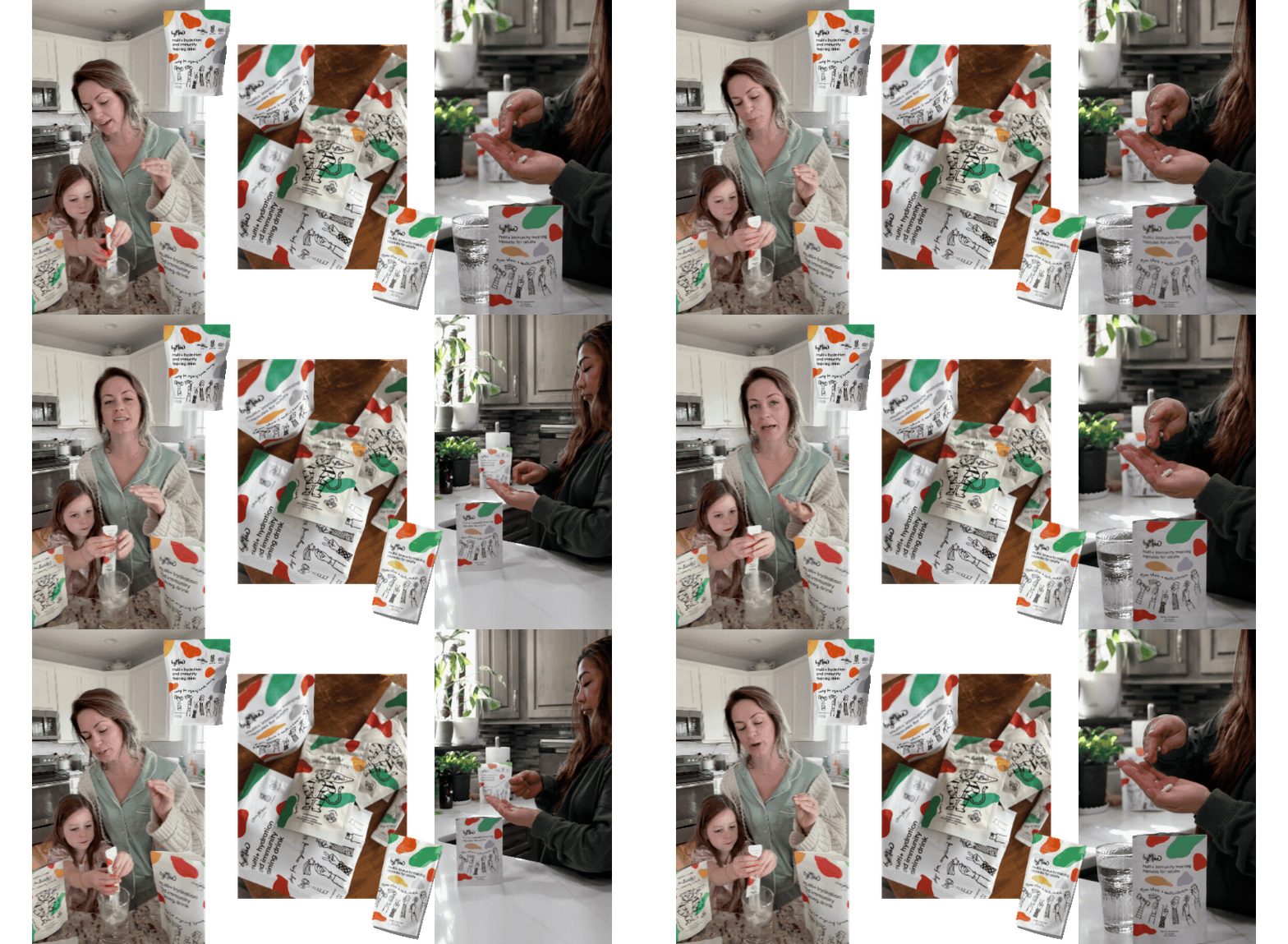
The campaign generated over $40,000 in Earned Media Value and an 85.9% view-to-follower ratio, meaning audiences didn't tune out over time — they came back to see what happened next. The brand also ended up with a library of licensed content to reuse across paid social, email, whitelisting, and future campaigns.
You know the exact face people make when they read a supplement label.
Eyebrows down, head tilted, scrolling past the claims to look for the catch. Because they've bought the thing before. The powder that was going to fix their energy. The capsule that promised better sleep and mostly delivered expensive pee. Wellness shoppers aren't skeptical because they're cynical — they're skeptical because they've been specifically, personally disappointed, sometimes four or five times, and they remember.
That's the room you're walking into. Every ad, every PDP, every creator post.
And here's the thing that makes it harder than it needs to be: most of us try to solve a trust problem with a volume problem. More posts. More creators. Louder claims. Which is a bit like being asked for proof and responding by talking faster.
Why one-off UGC doesn't work for wellness brands
One-off creator content fails in wellness because a creator posting on day one has nothing to report yet. The category's results are cumulative, so a single enthusiastic unboxing reads as an ad rather than evidence.
Think about what a first-post video actually contains. Someone opens a package. They say it looks great. They mention the ingredients. They take it for the first time.
Cool. So?
Nobody buying a multivitamin cares whether the box was pretty. They care whether anything changed. And a creator on day one literally cannot tell them, because nothing has happened yet. You've paid for content that says "I received this," dressed up as content that says "this works."
Compare that to a creator on day 62 who mentions — offhand, not scripted — that she hasn't reorganized her supplement drawer in two months because there's only one bottle in it now. That's not a claim. It's a detail. And details are what people believe.
What "results-focused UGC" actually means
Results-focused UGC means structuring a campaign around a documented timeline rather than a single delivery date. The same creators post repeatedly over weeks or months, so the audience watches a story develop instead of seeing one isolated endorsement.
The mechanism is boring and it's the whole thing: duration creates credibility. A creator who's still talking about your product in month three has, by definition, kept using it. That's a signal you cannot fake with production value, and it's a signal a one-off post structurally cannot send.
Three things change when you build a campaign this way:
- The creator becomes a character, not a billboard. Their audience is following a person they already trust through an experience. That's a different psychological transaction than watching an ad.
- Objections get handled in real time. Comments on post two become the subject of post four. "A few of you asked whether this replaced my other supplements — so here's my actual counter now versus in September."
- You get an arc. Beginning, middle, end. People finish stories they've started.
The byMae campaign, and what the numbers actually say
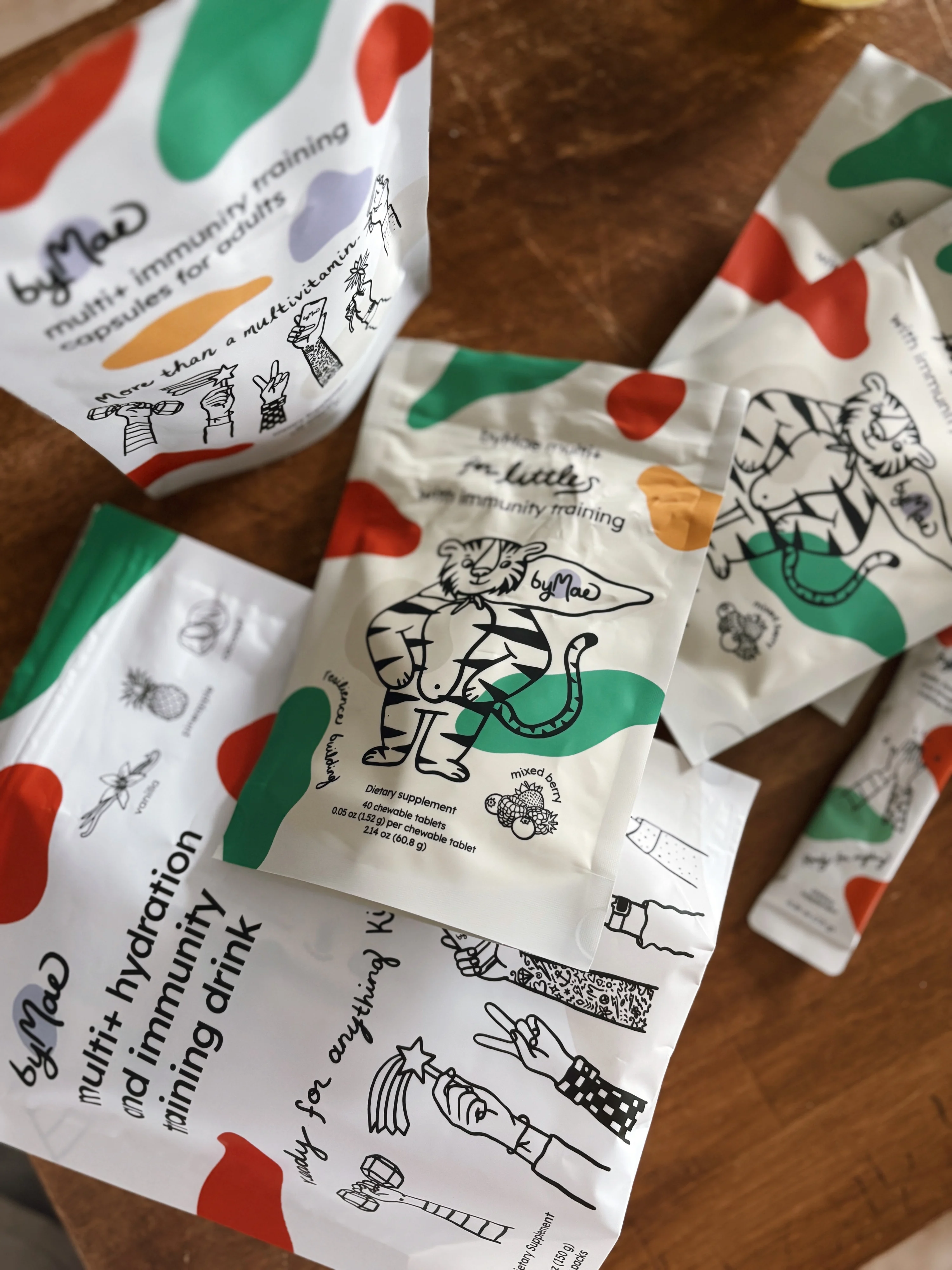
byMae was launching an immunity training multivitamin — a genuinely new category framing, built around taking something daily to build resilience rather than reaching for a "boost" once you're already sick. That's a hard sell. You're not competing on a better version of a familiar thing. You're asking people to change a habit.
So the campaign was built for duration instead of reach. Ten family and wellness creators. Two posts a month. Three months. Each one documenting their real 90-day shift — the simplified morning routine, the peace of mind heading into peak illness season, the ingredient stuff woven in naturally rather than read off a card.
Two numbers from that campaign are worth sitting with.
$40,500 in Earned Media Value. Fine, good, that's the headline.
An 85.9% view-to-follower ratio — that's the one I'd actually put on the wall. It means the content wasn't just landing with each creator's existing audience; it kept landing, month after month, without the drop-off you'd expect from repetition. Audiences didn't get bored of seeing byMae. They came back specifically to see what happened next.
That's the difference between reach and attention, and wellness lives or dies on the second one.
The strategic payoff came after: because the organic performance was measurable and consistent, byMae could take the posts that already proved they held attention and put spend behind them as whitelisting and partnership ads. Not guessing which creative would work. Promoting the ones that already had.

Where the content goes when the campaign ends
Here's the part brands underuse. A three-month campaign with ten creators posting twice a month is sixty pieces of content, and if it's fully licensed, none of it expires when the campaign does.
That's your product page. Your welcome email series. Your Amazon listing. Your retail pitch deck when you're trying to convince a category buyer you can move units off their shelf. Your next launch, where you've now got a documented library of what real customers experienced with the last one.
byMae's campaign produced exactly that — a continuous library to repurpose across paid social, organic, email, and whitelisting. The campaign ended. The assets didn't.
Where to start
If you're a wellness brand about to run creator content, ask one question before you brief anyone: what does day 60 look like?
If you can't answer it — if your whole campaign concept lives on day one, on the unboxing, on the first impression — you're buying ads and calling them proof. Restructure before you spend.
Pick a small cohort. Ask for a timeline, not a testimonial. Make sure the licensing lets you keep everything. Then let it run long enough for something to actually happen.
That's what minisocial built the 3-Peat around — the same curated group of creators across multiple months, fully licensed, fully managed. Ten creators, two posts a month, and a story your audience follows instead of scrolls past.
🤝 Get started with minisocial here
FAQ
What is results-focused UGC?
Results-focused UGC is creator content structured around a documented timeline rather than a single post. The same creators share updates over weeks or months, showing how a product fits into their routine and what changed over time. It's especially suited to health and wellness, where benefits are cumulative and a single first-impression post can't demonstrate them.
Why do health and wellness brands need a different UGC strategy?
Wellness shoppers are unusually skeptical because many have tried products that didn't work for them. Results in the category also take weeks to appear. Both factors make one-off endorsement posts weak: they arrive before there's anything to report and they read as advertising rather than evidence.
How long should a wellness UGC campaign run?
Long enough for a plausible result window in your category. byMae's campaign ran three months with creators documenting 90-day journeys, with each creator posting twice a month. Shorter campaigns can work, but if the timeline is shorter than the time your product needs to do anything, the content can't show a result.
Can creators make health claims about a supplement?
Creators should describe their own personal experience rather than assert specific medical outcomes, and brands should spell out clearly in the creative brief what can and can't be said. Requirements vary by product type and jurisdiction, so review your brief with qualified counsel before a campaign launches.
What happens to the content after the campaign ends?
With full licensing, all of it stays usable. A three-month campaign with ten creators posting twice monthly produces roughly sixty assets that can be repurposed across paid social, email flows, product pages, retailer listings, and pitch decks. byMae used their library for whitelisting and partnership ads after the organic posts proved which creative held attention.